

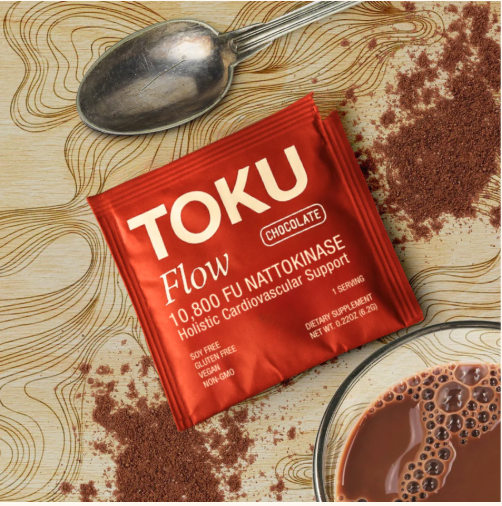
90 Day
Flow to a Healthier Heart Study
| STUDY TITLE | Flow to a Healthier Heart Study |
|---|---|
| Submitted under umbrella |
|
| Date submitted |
— |
| End date |
There is no pre-specified end date and sub-studies remain open long-term. |
| Language |
English |
| Efforia AI IRB approval recommendation |
— |
| Recruitment page preview | |
| Informed consent | |
| Study author |
Justin Eaton, Matthew Amsden, Darci Gross |
| Principal investigator |
Matthew Amsden |
| Sub-Investigator for Adverse Events |
Dr. Viral Patel |
| Description |
Join the Toku Study—a 90-day research study exploring how a daily supplement with Nattokinase, Vitamin K2, and Beta Glucan may support healthy cholesterol levels. Start and finish with an at-home cholesterol tests (we send them to you). Otherwise all you have to do is mix Toku Flow into your morning brew everyday and confirm you took Toku for the day. Super simple study exploring Toku Flow's impact on cardiovascular health. |
| Participant engagement length |
90 Days |
| Sponsor |
This study is made possible by your payment to cover all supplies and expenses required to participate. |
| Cost to participant |
$363 |
| Included products & services |
Cardiac Risk QuickDraw Blood Test: $0
Toku Flow | Nattokinase (10,800 FU): $143
|
| Outcome measures |
Cardiac Risk Test |
| Methodology |
Single Arm longitudinal where participants act as their own control |
| Basic or advanced dissemination plan |
Basic |
| Deviation from recruitment approach |
No |
| Deviation from statistical approach |
No |
| Will study include “more about you questions” |
Yes |
| ClinicalTrials.gov |
Yes |
| Commitment to list findings on ClinicalTrials.gov |
Yes |

 Preview
This document is prepared with the assistance of AI, but is reviewed by a human.
Rational & Study Design
Why I Created This Study:
In today’s world, many people are looking for proactive ways to support their heart and overall well-being. Natural supplements like Nattokinase, Vitamin K2, and Beta Glucan have received growing attention in wellness communities for their potential to support circulatory function and lipid metabolism. While the conversation is evolving, many people still want to better understand how these ingredients might fit into a proactive health routine. This study was designed to explore how a daily supplement, Toku Flow, may support key markers associated with cardiovascular wellness in a real-world setting.
My Objective for You:
My goal is to help you gain meaningful, personalized insights into how Toku Flow may support your health—specifically, how it may influence cholesterol levels within a healthy range. This study is not about diagnosing or treating high cholesterol. Instead, it’s about giving you tools and data to better understand your body and make informed decisions about wellness strategies that might work for you.
Aims & Objectives:
This study aims to observe the effects of daily Toku Flow use over a 90-day period, with a focus on changes in cholesterol markers such as total cholesterol, HDL, LDL, and triglycerides. By the end, participants will have a clearer picture of their own data and how this supplement fits into their individual approach to health and wellness.
Significance & Impact
We believe this study may contribute to a broader understanding of how everyday people respond to natural ingredients associated with heart health. While results will vary from person to person, the study is intended to empower participants with data about their own bodies—helping inform future choices about supplements, lifestyle, and personal wellness strategies. This is about learning, not treatment, and about building a foundation for more personalized, proactive health journeys.
The Intervention
Included Products & Services
Product Name: Cardiac Risk QuickDraw Blood Test
Quantity included: 2
Price: $0.00
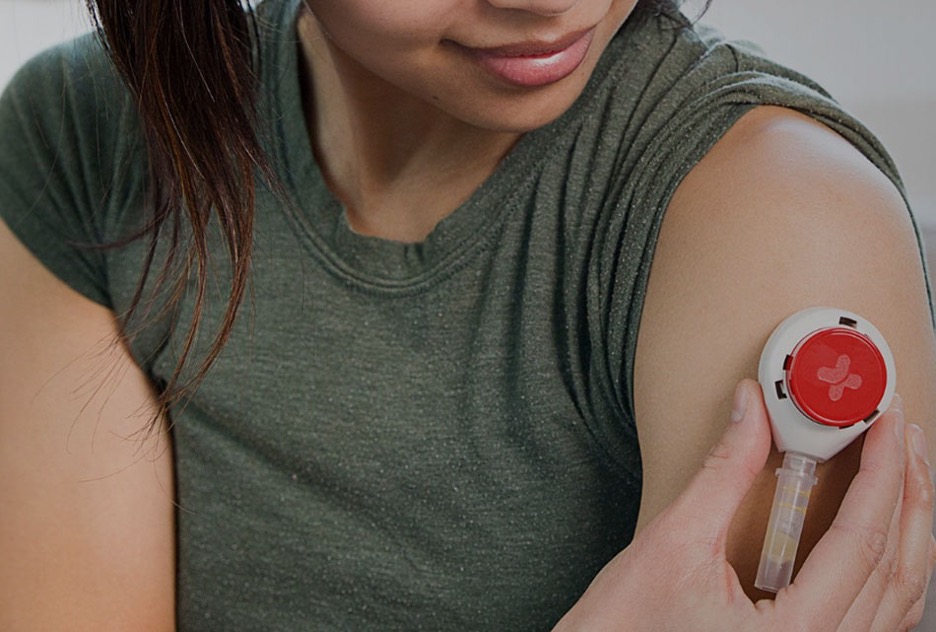
Product Description: Check your heart health from home with this advanced cardiovascular panel—no clinic visit required. Using the easy, nearly painless Tasso QuickDraw device, you’ll measure key markers like LDL, HDL, Triglycerides, hs-CRP, VLDL, and Total Cholesterol. Just collect your sample, mail it in, and track results online. A smarter, simpler way to take control of your cardiovascular risk.
Product Image:
Ingredients:
Product Safety:
Product Name: Toku Flow | Nattokinase (10,800 FU)
Quantity included: 1
Price: $143.00
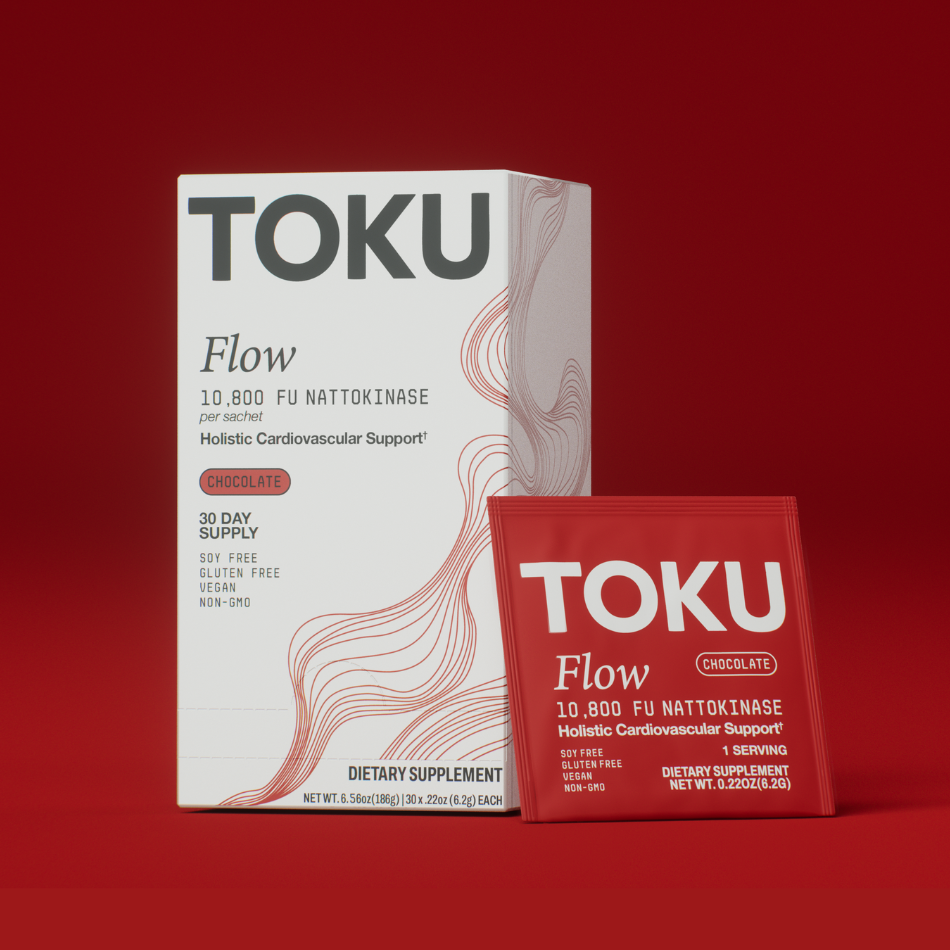
Product Description: Find Your Flow A daily powdered supplement designed to promote clear, efficient blood flow and circulation, ensuring vital nutrients reach your heart and organs while supporting your body’s ability to clear metabolic waste for sustained vitality and overall wellness. (Chocolate Flavor 30 days supply)
Product Image:
Ingredients:
Active Ingredients (Per Serving - 1 Sachet / 6.2g):
Calories: 20
Total Carbohydrate: 3 g
Dietary Fiber: 1 g
Protein:
Product Safety:
Proposed Use:
1 sachet (6.2g) daily, orally, for up to 90 days.
Target Population:
Generally healthy adults.
1. Organic Oat Bran (Nutrim™) – 3 g/day
Source: Soluble oat β-glucan.
GRAS Status: Yes (GRN 000031).
Toxicity/Safety: Extensively studied for cardiovascular health. FDA-qualified health claim for lowering cholesterol. Safe up to 10–20 g/day in human studies.
Adverse Effects: Rare mild gastrointestinal symptoms (gas, bloating) in sensitive individuals.
Contraindications: None known in healthy populations.
2. Nattokinase (from fermented chickpea) – 540 mg/day
Source: Fibrinolytic enzyme derived from Bacillus subtilis natto fermentation.
GRAS Status: Not GRAS; marketed as a dietary supplement in the U.S. Allowed under DSHEA (Dietary Supplement Health and Education Act of 1994
Human Safety Data: Studies up to 2,000 FU/day (~100 mg active enzyme) for 8–12 weeks show no significant adverse effects.
Known Risks: Theoretical risk of increased bleeding, especially in combination with anticoagulants or antiplatelet drugs. Caution warranted for individuals with bleeding disorders or upcoming surgery.
Toxicity Data: No toxic effects observed in 90-day animal studies at doses >1,000 mg/kg/day.
Contraindications: Use with caution in individuals on warfarin, aspirin, or other blood thinners.
3. Vitamin K2 (Menaquinone-7) – 180 mcg/day
Source: Bacterial fermentation, commonly from Bacillus subtilis.
GRAS Status: Yes (GRN 000453).
Toxicity/Safety: Safe in doses up to 360 mcg/day in human studies for >3 years. Supports bone and cardiovascular health.
Adverse Effects: None typically reported at studied doses. Non-toxic even at high intakes.
Contraindications: Use with caution in individuals on vitamin K antagonist therapy (e.g., warfarin). May interfere with drug efficacy.
4. Cocoa Powder (Processed with Alkali) – trace amount
Source: Theobroma cacao.
GRAS Status: Yes.
Toxicity/Safety: Widely consumed; alkali-processing reduces bitter flavanols but retains safety. No known toxicity at trace levels.
Allergen Note: Rare cocoa allergies exist; potential concern for sensitive individuals.
5. Organic Stevia Leaf Extract (RebA) – trace amount
GRAS Status: Yes (GRN 000252).
Toxicity/Safety: No known toxicity. Well-tolerated in human studies at doses >1,000 mg/day. Used at trace sweetening levels in this formula.
Adverse Effects: Rare gastrointestinal discomfort or aftertaste.
6. Monk Fruit Extract – trace amount
GRAS Status: Yes (GRN 000301).
Toxicity/Safety: Non-toxic at tested levels; commonly used in foods and supplements.
Adverse Effects: None reported at dietary levels.
7. Sea Salt – trace amount
GRAS Status: Yes.
Toxicity/Safety: Safe at trace levels; sodium content is minimal (60 mg/day from full product).
Note: Minimal contribution to overall sodium intake; no concern for healthy individuals.
Aggregate Safety Summary
Cumulative Safety Window: All ingredients individually and in combination fall well within established safety limits for daily intake in healthy adults.
Expected Adverse Events (if any):
Mild GI upset (oat bran, stevia)
Rare bleeding risk potentiation (nattokinase with anticoagulants)
Possible drug-vitamin interaction (Vitamin K2 with warfarin)
Drug Interactions to Monitor: Warfarin and other anticoagulants.
Populations Excluded:
Individuals with bleeding disorders
Pregnant/lactating women (standard precaution)
Patients on anticoagulants (unless cleared by physician)
Recommended Monitoring (for clinical study setting)
Baseline and follow-up labs if indicated:
PT/INR if participants on anticoagulants are inadvertently enrolled
Basic metabolic panel (to monitor potassium/sodium, though minimal impact expected)
Adverse event tracking via weekly check-ins
Study Design & Methodology
Inappropriate Participants & Inclusion/Exclusion
Under the Efforia minimal risk protocol, within which this study is reviewed for safety and human subjects ethics, all individuals over the age of consent are eligible, however, it is the responsibility of participants to determine if their unique circumstances make participation inappropriate.
Here is a table outlining categories of individuals who should avoid or carefully consider their participation in the Toku Study:
| Category of Individual | Contraindications | Reason |
|---|---|---|
| Individuals on Anticoagulants | Increased Bleeding Risk | Nattokinase acts as a blood thinner, potentially increasing bleeding risk in these individuals. |
| Individuals with Soy Allergy | Allergic Reactions | Toku Flow contains ingredients derived from soy, which can trigger allergic reactions. |
| Individuals with Liver Conditions | Liver Enzyme Elevations | Potential for liver enzyme changes or stress on liver function. |
| Individuals with Gastrointestinal Disorders | Severe Gastrointestinal Distress | Could exacerbate symptoms or lead to discomfort. |
| Individuals with Blood Pressure Issues | Headaches and Dizziness | Changes in blood flow or pressure could affect those with existing blood pressure conditions. |
| Professional Athletes | Legality and Compliance | Need to ensure compliance with regulatory bodies regarding supplement use. |
| Individuals with Mood Disorders | Mood Changes and Sleep Disturbances | Potential for mood swings or sleep issues, especially if sensitive to such changes. |
| Individuals sensitive to frustration | Frustration and irritation | May be affected by stress or discomfort with study procedures and technology. |
These individuals should consult with a healthcare provider to weigh the risks and benefits before participating in this wellness study.
Study Design & Experience
Daily Activity: Take one scoop of Toku Flow by stirring it into any drink once a day for 12 weeks. Ensure consistency by recording daily usage.
Assesments and frequency:- Start of the study: Complete an at-home baseline cholesterol test.
- End of the study (12 weeks): Complete a second at-home cholesterol test to assess changes.
The "Flow to a Healthier Heart Study" is an exploratory research initiative examining the effects of a daily supplement blend, Toku Flow, composed of Nattokinase, Vitamin K2, and Beta Glucan, on maintaining healthy cholesterol levels. Conducted over 90 days, this study invites participants to integrate Toku Flow into their daily routine by simply mixing it with their morning beverage. Participants will conduct at-home cholesterol tests at both the start and conclusion of the study, providing a practical and non-invasive means of gathering data. This study is designed as a single-arm observational trial, where participants serve as their own control, allowing researchers to observe changes over time without the need for a separate control group. At Efforia, such studies are termed "Signal Phase" studies, offering preliminary insights into potential positive outcomes and the safety profile of the supplement.
In this study, participants will gain firsthand experience of how Toku Flow may influence their cardiovascular health markers. The study's design prioritizes simplicity and participant convenience, requiring no clinic visits or prescription medications. Instead, participants will receive all necessary materials, including the supplement and cholesterol tests, delivered to their homes. Throughout the study, participants are encouraged to maintain consistent adherence to the supplement regimen and to refrain from introducing new cardiovascular interventions unless advised by their healthcare provider. This approach aims to ensure the integrity of the data collected by isolating the effects of Toku Flow on cholesterol levels.
The outcomes of the "Flow to a Healthier Heart Study" will provide valuable initial safety data and a directional indication of the supplement's efficacy. Should the results indicate a positive signal—suggesting that Toku Flow effectively supports healthy cholesterol levels—this will lay the groundwork for more comprehensive and robust study designs in the future. Such future studies could further validate the findings and explore the broader implications of Toku Flow on cardiovascular health. For detailed study protocols and additional information, please refer to the "Minimal Risk Umbrella protocol.
Statistical Analysis Plan
Limitations & Justification
The study, conducted under the Minimal Risk Citizen Science Umbrella Protocol, aims to evaluate the potential benefits of Toku Flow, a natural supplement, on cholesterol levels over a 90-day period. One primary limitation of the single-arm observational trial design is the absence of a control group, which can introduce bias and limit the ability to attribute observed effects directly to the intervention. To address this, the study incorporates an expectations questionnaire to quantify potential biases stemming from participant expectations about the benefits of Toku Flow. This proactive measure helps to contextualize the results, providing a clearer understanding of the actual effects of the supplement.
Another limitation is the variability in individual responses to the supplement, which can affect the generalizability of the findings. To mitigate this, the study's sample size and statistical methodologies are thoughtfully designed, including potential stratification by participant demographics. This stratification allows for a nuanced analysis that accounts for differences in participant characteristics, thereby enhancing the robustness of the findings. Furthermore, as a signal detection study, the trial aims to identify preliminary outcomes that can inform future, more rigorous research designs. If the initial findings are promising, subsequent studies with control groups and larger sample sizes will be conducted to validate the results.
The overarching goal of Efforia and the Minimal Risk Umbrella Protocol is to democratize clinical research by supporting unconventional research questions and underrepresented researchers. This study exemplifies that mission by exploring the real-world effects of Toku Flow, a supplement with growing popularity on social media but limited scientific evaluation. By empowering participants with personalized insights into how Toku Flow affects their cholesterol levels, the study offers valuable information that supports informed decision-making about supplement use for heart health. For more details on the study's framework and methodology, individuals are encouraged to refer to the Minimal Risk Umbrella Protocol.
Human Subjects Ethics
Suitability Under Minimal Risk Umbrella Protocol
The "Flow to a Healthier Heart Study" appears to be suitable for the minimal risk umbrella protocol. This study seems to align well with the requirements as it aims to enhance general health and wellness, focusing on heart health, which falls within the broad "health and wellness" domain. It is likely that the study examines interventions that are legal, easily accessible, and do not require a prescription or physician diagnosis, such as non-regulated dietary supplements, fitness programs, or consumer health devices. Assuming the study does not involve vulnerable populations, and it is designed to avoid any more harm or discomfort than daily life or routine check-ups, it fits the minimal risk criteria.
Furthermore, the study seems to adhere to several other requirements for the umbrella protocol. It likely involves GRAS interventions and avoids regulated pharmaceuticals or medical devices. The study avoids comparative designs and does not require more than two blood draws or bodily fluid specimen collections, fitting the guidelines for minimal physical intervention. Additionally, the study design seems to be longitudinal, lasting several days, which is consistent with the protocol's requirements. Assuming there is no blinding, deception, or targeting of vulnerable populations, the "Flow to a Healthier Heart Study" appears to be a suitable candidate for inclusion under the minimal risk umbrella protocol.
Suitability for Pay to Participate Model
The Flow to a Healthier Heart Study offers participants the opportunity to purchase a package that includes a cholesterol blood test and a 90-day supply of Toku Flow, a supplement containing Nattokinase, Vitamin K2, and Beta Glucan. This combination of products is legally available on the open market in the United States, where dietary supplements and at-home health tests are regularly sold to consumers interested in managing their health proactively. Participants in this study are likely individuals who are already willing to invest in such health-enhancing products, given the increasing popularity and demand for supplements that support cardiovascular health.
The price of $363 for the study package appears reasonable when compared to the typical costs of purchasing similar health supplements and at-home blood tests individually. Furthermore, the study provides additional value beyond the simple purchase of these products. By participating, individuals gain access to structured guidance on using the supplement, as well as the opportunity to contribute to scientific understanding of its effects on cholesterol levels. For the typical target market consumer, who is likely health-conscious and financially stable, the cost is unlikely to cause serious financial hardship. Moreover, the voluntary nature of the study and the transparent information provided mitigate any significant risk of buyer's remorse.
Human Subjects Protection Questionnaire
Regulatory
Does this study avoid language making or inferring disease claims? Based on your full study description and regulatory framing, the study likely does not trigger the requirement for an Investigational New Drug (IND) application under FDA rules.
1. Not Intended to Treat or Prevent Disease
You explicitly state:
“This study is not about diagnosing or treating high cholesterol.”
“This is about learning, not treatment.”
This helps avoid intended use language that would qualify the product as a drug under section 201(g)(1)(B) of the FD&C Act.2. The Product is a Lawfully Marketed Dietary Supplement
-
Toku Flow is marketed as a dietary supplement under DSHEA.
All components are either GRAS or permitted in supplements (even Nattokinase, while not GRAS, is widely marketed under DSHEA).
No unapproved new chemical entities are being used.
3. Structure/Function Claims, Not Disease Claims
The language focuses on:
“supporting healthy cholesterol levels”
“supporting circulatory function”
“personalized insights”
This aligns with structure/function claims, which are permitted under DSHEA and do not require an IND.4. Minimal Risk, Non-Interventional Study Design
-
Participants act as their own controls.
No placebo or investigational blinding.
Participants are not selected based on having a disease.
No prescription medications or clinical procedures are involved.
-
Beneficence
Is there a description, unambiguous research question, and purpose? Yes, the study is designed to evaluate the impact of a specific product or service on participants' health outcomes, providing clear research objectives and rationale for conducting the study.
Is the study built on what is known already? Yes, the study builds on existing knowledge by employing established methods to assess the effectiveness of the product or service in a real-world setting.
Will the study provide meaningful answers to the research question? Yes, the study is designed to yield meaningful results that are not only generalizable but also directly relevant to the participants, enhancing their understanding of the product's impact on their health.
Will the study provide valid answers to the research question? Yes, the study employs rigorous methodologies to ensure the validity of its findings, using reliable data collection and analysis techniques to answer the research question accurately.
Non-maleficence
Are participants recruited with justifiable inclusion and exclusion criteria? Yes, any individual who has already purchased the product is eligible to participate, ensuring that participants are well-informed about the product and can assess its relevance to their needs.
Does the research team have the experience, skills, facilities, and time to complete the study? Yes, the research team is supported by Efforia's extensive infrastructure, with the Principal Investigator, Matthew Amsden, providing oversight. Dr. Viral Patel is available for consultation in the rare event of an adverse event, ensuring comprehensive support and expertise.
Is there a fair balance of benefits and harms (risks) for all with an interest in the study? Yes, the study's unique approach provides added value to participants by offering additional monitoring and insights at no extra cost, while the minimal risk nature of the study minimizes potential harms.
Will participants receive appropriate care both during and after the study? Yes, participants are advised to seek their own medical care in case of an adverse event, but the study offers more care than typically available in the market through enhanced monitoring and support.
Is personal data handled appropriately (confidentiality)? Yes, personal data is managed in accordance with the Minimal Risk Umbrella protocol, ensuring confidentiality and data protection.
Autonomy
Have participants been offered a fair choice through the information they are given (presented in plain English) and consent process? Yes, the informed consent document clearly outlines the study's details, risks, benefits, and voluntary nature, enabling participants to make informed decisions.
Has the research incorporated patient and participant views? Yes, as a participant-driven platform, Efforia incorporates feedback from participants, encouraging them to provide input and ask questions throughout the study.
Justice
Are there fair payments for participation and financial recompense in case of harm? Yes, while participants pay to participate, they receive a valuable product and health outcome tracking. Participants are responsible for their own medical expenses in case of adverse events, but Efforia provides guidance on reporting incidents.
Do participants have access to an independent complaints procedure (or advocate)? Yes, participants can contact Efforia's support or the independent ethics review board for addressing any concerns or complaints, ensuring an impartial process.
Will the project be registered and results reported in the public domain? Yes, Efforia ensures transparency by making results immediately available to participants and reporting generalizable findings to build credibility.