

42 Day
Learn what gels work for you and the impacts on blood glucose
| STUDY TITLE | Learn what gels work for you and the impacts on blood glucose |
|---|---|
| Submitted under umbrella |
|
| Date submitted |
Aug 23, 2026 |
| End date |
There is no pre-specified end date and sub-studies remain open long-term. |
| Language |
English |
| Efforia AI IRB approval recommendation |
— |
| Recruitment page preview | |
| Informed consent | |
| Study author |
Conor McNamee, James Warnock, Matthew Amsden |
| Principal investigator |
Matthew Amsden |
| Sub-Investigator for Adverse Events |
Dr. Viral Patel |
| Description |
During an active study period of up to six weeks within a total participation window of up to 70 days, participants complete 18 endurance sessions from their normal training: nine in each of two 14-day CGM phases. The phases may be consecutive or separated by a break of up to 14 days. Six easy runs, six speed/quality sessions, and six long runs compare SAP Good Energy, a participant-selected alternative gel, and a No Gels condition (normal meals and no energy gels during the run; no fasting or restriction on other foods and drinks). After every run, participants report energy, digestive comfort, and effort; Strava captures non-geographic performance data and the supplied FreeStyle Libre 3 Plus sensors capture glucose readings. |
| Participant engagement length |
42 Days |
| Sponsor |
This study is made possible by your payment to cover all supplies and expenses required to participate. |
| Cost to participant |
$120 |
| Included products & services |
SAP25 Maple Syrup Energy Gel: $27
Lingo Continuous Glucose Monitor (CGM) & App by Abbott: $49
|
| Outcome measures |
Baseline Blood Glucose Monitoring for a Specific Food Strava Data Your Run Assessment (Digestive System Focus) |
| Methodology |
Single Arm longitudinal where participants act as their own control |
| Basic or advanced dissemination plan |
Basic |
| Deviation from recruitment approach |
No |
| Deviation from statistical approach |
No |
| Will study include “more about you questions” |
No |
| ClinicalTrials.gov |
Yes |
| Commitment to list findings on ClinicalTrials.gov |
Yes |

 Preview
This document is prepared with the assistance of AI, but is reviewed by a human.
Rational & Study Design
Why we created this study:
During our own training, we struggled to find fuel sources that left us feeling good and gave us the performance we needed. Energy gels are sold as the solution - but they left us feeling gross. We couldn't stomach more than a few, and often ended up underfuelled as a result. As a Canadian, I started using maple syrup, introduced it to James, and we never looked back. It has a balanced glucose-to-fructose ratio, it's easy to digest, and best of all - it's real food that actually tastes good. So we created SAP GOOD ENERGY to bring maple syrup to runners as an on-the-go fuel source, with Himalayan salt added for hydration support.
Since launching, the question we get most is: "Can real food - something I put on pancakes - actually perform as well as a lab-engineered gel?" The assumption is that because gels are scientifically formulated for fast carb absorption, they must be superior. We're here to test that. Because what's optimised in a lab isn't always what's best on the run.
This study serves two purposes:
to put real-food maple syrup to the test against gels, and to help you learn what works for you - through self-reflection and objective data from your runs and glucose monitor.
My Objective for You:
As an endurance athlete, your performance and recovery hinge on fuel and gut comfort. This study is as much for us as it is for you. You are tasked to see how SAP, gels, and no gels affect your energy, digestion, and blood glucose - so you can train hard without the worry of stomach issues. By the end, you'll have personalised data to help you make smarter fuelling decisions for your training.
Aims & Objectives:
This study aims to measure the gut tolerability and glucose response to SAP, gels, and no gels in endurance athletes. You'll walk away with data showing exactly how each fuelling condition affected your performance and digestion - giving you the insight to optimise both your training and what you spend on fuel.
Significance & Impact:
The endurance fuelling industry is dominated by processed gel brands that claim lab-engineered products outperform real food. We want to challenge that. By measuring the impact of maple syrup against gels on gut health and glucose levels, this study opens up a real conversation - and gives runners who can't stomach processed gels, or simply don't want them, a legitimate alternative backed by data.
The Intervention
Included Products & Services
Product Name: SAP25 Maple Syrup Energy Gel
Quantity included: 3
Price: $27.00
Product Description: SAP is a real food alternative to gels.It's FUEL you'll feel good Taking every session.Enjoy on Easy days and trust on race day. ORGANIC CLASS A MAPLE + HIMALAYAN SALT25 CARBS ( 1 : 1 Carb Ratio )
Product Image:
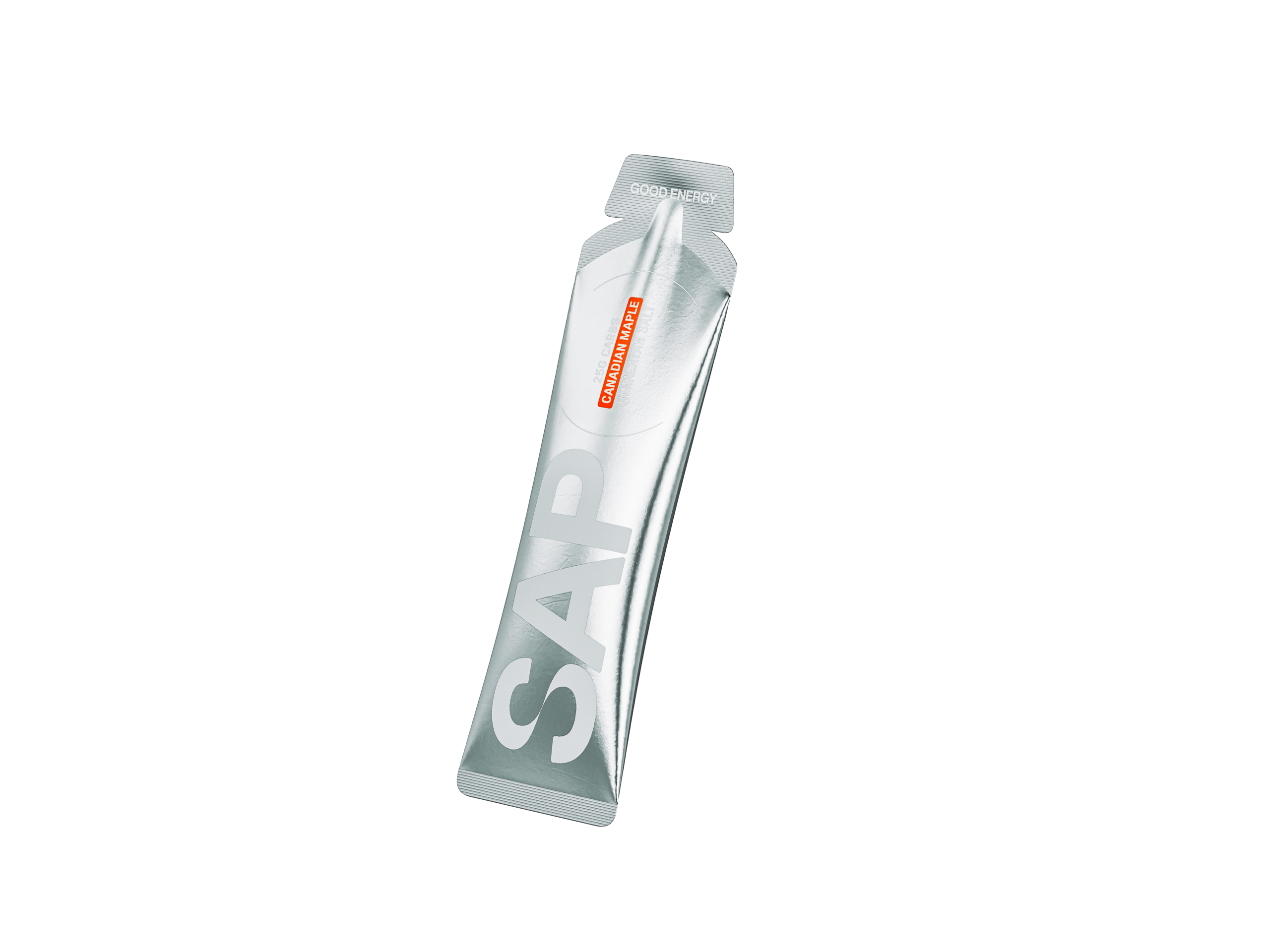
Ingredients: Ingredients: Organic Class A Canadian maple and Himalayan salt. Per serving (37.6 g): energy 419 kJ / 100 kcal, fat 0 g, of which saturates 0 g, carbohydrates 25 g, of which sugars 25 g, protein 0 g, salt 0.38 g, and sodium 152 mg. Average minerals per sachet: calcium 29.21 mg, manganese 0.76 mg, magnesium 7.52 mg, potassium 89.44 mg, copper 0.07 mg, and zinc 0.16 mg.
Product Safety:
The investigational product is an oral nutritional product consisting of organic Class A Canadian maple and Himalayan salt.
Based on its composition, route of administration, and proposed use as an orally consumed nutritional product, the anticipated safety risks are expected to be low in healthy adults when used as directed. The principal foreseeable risks relate to the sugar content, sodium content, potential intolerance or sensitivity to product components, and the possibility of gastrointestinal discomfort with use. The product contains 25 g of sugar per sachet; therefore, individuals with diabetes, impaired glucose regulation, clinically significant insulin resistance, or other conditions requiring strict glycemic control may be at increased risk of transient elevations in blood glucose. The product also contains 152 mg sodium per sachet; although this is modest in the context of typical dietary sodium exposure, participants with uncontrolled hypertension, clinically significant cardiovascular disease, renal impairment, edema, sodium-restricted diets, or disorders of fluid or electrolyte balance may be at increased risk and should be excluded or monitored as appropriate.
No pharmacologically active synthetic drug substance, stimulant, controlled substance, alcohol, or known abuse-liability component is included in the investigational product. Based on the listed ingredients, no drug dependence or abuse potential is anticipated. The product is not expected to have central nervous system, respiratory, or cardiovascular pharmacology beyond effects that may occur indirectly through caloric intake, carbohydrate exposure, sodium intake, hydration status, or individual dietary context.
Potential adverse events may include nausea, abdominal discomfort, bloating, diarrhea, constipation, reflux, headache, thirst, increased urination, changes in perceived energy, transient changes in blood glucose, and, less commonly, hypersensitivity-type reactions such as rash, itching, swelling, or respiratory symptoms. Participants will be instructed to discontinue the product and seek medical attention for symptoms suggestive of a serious allergic reaction, severe gastrointestinal symptoms, chest pain, shortness of breath, syncope, severe headache, confusion, or any other medically concerning event.
The proposed study will minimize risk through eligibility criteria, dosing limits, participant instructions, and adverse event monitoring. Participants should be excluded if they have known allergy or hypersensitivity to maple products or salt products; diabetes requiring medication unless specifically allowed by protocol; uncontrolled hypertension; clinically significant renal, hepatic, cardiovascular, or endocrine disease; active eating disorder; pregnancy or lactation unless specifically evaluated; or any condition that, in the opinion of the investigator, would make participation unsafe. Concomitant medications and supplements should be reviewed for conditions or therapies that could increase risk related to sodium balance, glucose regulation, renal function, or fluid status.
Participants will be instructed to consume no more than the protocol-specified dose, to avoid substituting the product for medically necessary nutrition or hydration, and to report any adverse symptoms promptly. Safety monitoring will include collection of baseline medical history, concomitant medication use, relevant dietary restrictions, and adverse events throughout the study. Depending on the target population and duration of exposure, the protocol may include monitoring of blood pressure, weight, fasting or post-prandial glucose, renal function, and serum electrolytes. Any serious adverse event, unexpected adverse event, or clinically meaningful worsening of a pre-existing condition will be reviewed by the sponsor or designated safety reviewer for severity, expectedness, and relatedness to the investigational product.
No product-specific nonclinical toxicology studies have been identified or are included in this draft section. Given that the product is composed of commonly consumed dietary ingredients and is proposed for oral use at a limited daily dose, the sponsor believes the existing human exposure experience with the ingredient class supports initial clinical evaluation in an appropriately selected population. However, this conclusion is contingent on adequate product quality controls, including identity testing, batch consistency, microbiological specifications, heavy metal limits, contaminant testing, and stability data sufficient to support the planned clinical exposure period. Any differences between the clinical product and materials used in prior testing or commercial exposure should be described and assessed for safety relevance.
The chemistry, manufacturing, and controls program should ensure that the investigational product is consistently manufactured, labeled, packaged, and stored in a manner that preserves product identity, quality, purity, strength, and stability throughout the study period. Because maple-derived products and mineral salts may vary by source and lot, the sponsor should maintain specifications for ingredient identity, mineral content, sodium content, microbiological quality, heavy metals, adulterants, and other relevant contaminants. Certificates of analysis should be maintained for each lot used in the clinical investigation.
Based on the available information, the anticipated risk profile of the investigational product is acceptable for evaluation in a limited clinical study of appropriately screened participants, provided that the protocol includes dose control, exclusion of participants at elevated risk from sugar or sodium exposure, adequate safety monitoring, clear stopping rules, and prompt review and reporting of adverse events.
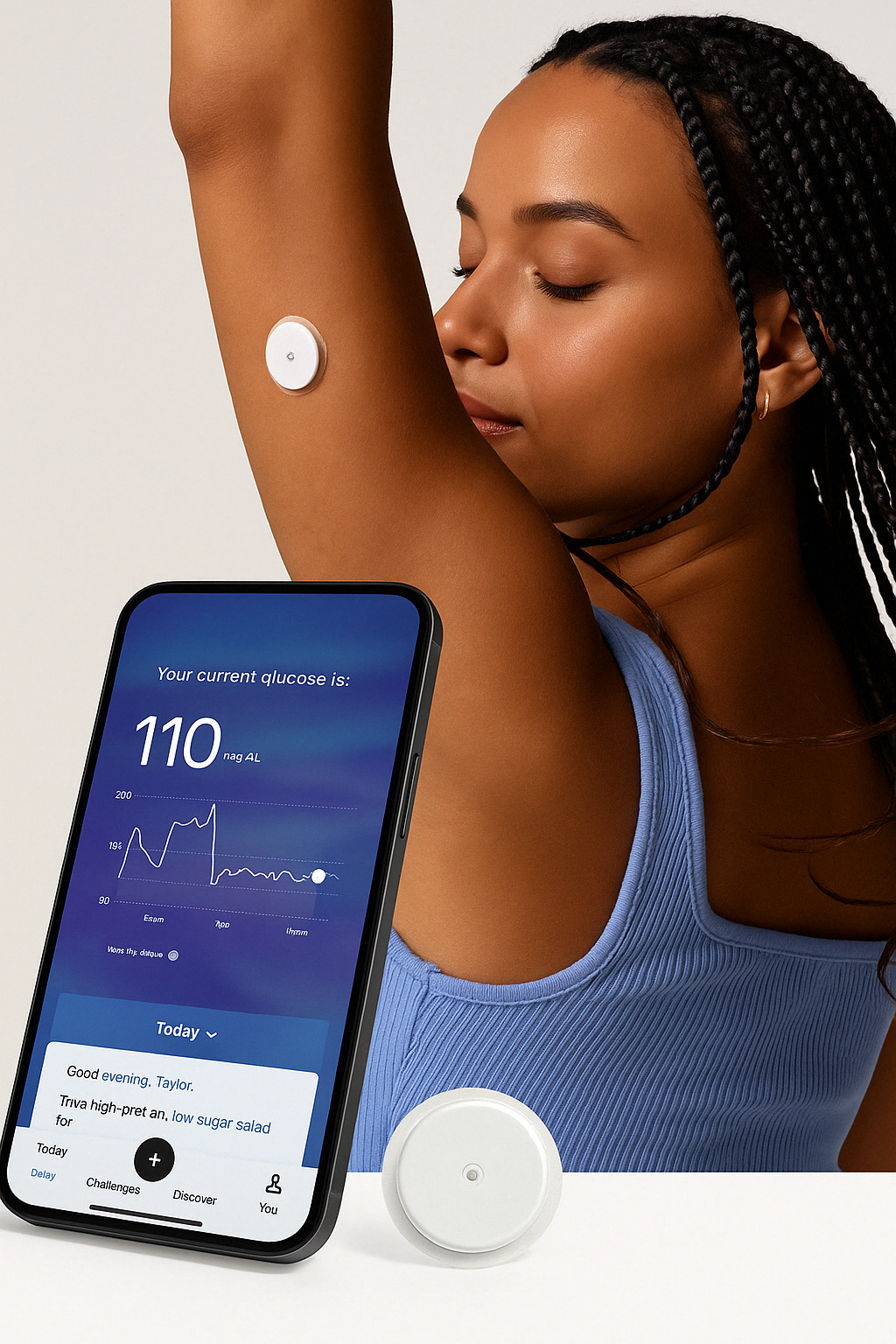
Product Name: Lingo Continuous Glucose Monitor (CGM) & App by Abbott
Quantity included: 1
Price: $49.00
Product Description: The Abbott Lingo CGM is an over-the-counter biosensor worn on the upper arm for up to 14 days, offering real-time glucose tracking via a dedicated iOS app. Designed for adults not on insulin, it provides personalized insights, habit-building coaching, and the **Lingo Count** metric to quantify glucose spikes. The app includes food/exercise logging, Apple Health integration, and challenges to improve metabolic health.
Product Image:
Ingredients: FDA 510k Summary: https://www.accessdata.fda.gov/cdrh_docs/pdf23/K233655.pdf
Product Safety:
Minor irritation at usage site.
Results from the device may exacerbate eating disorders in individuals prone to them.
Study Design & Methodology
Inappropriate Participants & Inclusion/Exclusion
Under the Efforia minimal risk protocol, within which this study is reviewed for safety and human subjects ethics, individuals aged 18 or older who can provide informed consent are eligible, however, it is the responsibility of participants to determine if their unique circumstances make participation inappropriate.
| Category of Individual | Contraindications | Reason |
|---|---|---|
| Individuals under 18 | Not eligible for this study | This study is limited to individuals aged 18 or older who can provide informed consent. |
| Individuals unable to provide informed consent | Cognitive impairment, intoxication, acute psychiatric crisis, language barriers without adequate translation, or inability to understand study procedures | Participation requires understanding risks, responsibilities, and voluntary decision-making. |
| Individuals with diabetes or significant glucose-regulation disorders | Type 1 diabetes, insulin-treated diabetes, history of severe hypoglycemia, brittle diabetes, uncontrolled type 2 diabetes, reactive hypoglycemia, or use of glucose-lowering medications | Carbohydrate fueling and endurance exercise can cause glucose swings, including hypoglycemia or hyperglycemia. |
| Individuals taking medications that affect blood glucose | Insulin, sulfonylureas, GLP-1 agonists, SGLT2 inhibitors, corticosteroids, or other medications that significantly alter glucose response | Study fueling may interact with medication effects and alter CGM or symptom outcomes. |
| Individuals with known allergy or sensitivity to maple syrup, tree sap products, or study fuel ingredients | Prior allergic reaction, oral itching/swelling, hives, wheezing, or anaphylaxis after maple/sap products or related ingredients | Risk of allergic reaction, including rare but serious reactions. |
| Individuals with severe food allergies or history of anaphylaxis | Multiple severe food allergies, uncertain ingredient tolerance, or need for strict allergen avoidance | Cross-contact or ingredient uncertainty could create disproportionate risk. |
| Individuals with fructose intolerance or carbohydrate malabsorption | Hereditary fructose intolerance, fructose malabsorption, FODMAP sensitivity, or known intolerance to concentrated sugars | Maple syrup and other carbohydrate fuels may cause GI distress or metabolic risk in susceptible individuals. |
| Individuals with significant gastrointestinal disease | Active IBD flare, severe IBS, gastroparesis, chronic diarrhea, malabsorption syndromes, recent GI surgery, or unexplained abdominal symptoms | Endurance exercise plus concentrated carbohydrate intake can worsen nausea, cramping, diarrhea, reflux, or dehydration. |
| Individuals with kidney disease or fluid/electrolyte restrictions | Chronic kidney disease, dialysis, history of severe electrolyte disturbance, or clinician-advised limits on fluid/electrolyte intake | Endurance fueling often involves fluids/electrolytes; imbalance can be dangerous in these conditions. |
| Individuals with heart disease or elevated cardiovascular risk | Unstable angina, recent heart attack, uncontrolled arrhythmia, heart failure, unexplained chest pain, syncope with exertion, or lack of clearance for endurance exercise | Long runs can provoke serious cardiovascular events in higher-risk individuals. |
| Individuals with uncontrolled hypertension | Very high or untreated blood pressure, hypertensive symptoms, or medication changes without medical guidance | Prolonged exercise and electrolyte/fluid changes can increase cardiovascular risk. |
| Individuals with pulmonary disease not controlled for exercise | Uncontrolled asthma, severe COPD, exercise-induced bronchospasm without rescue plan, or recent respiratory infection | Long runs may trigger breathing difficulty or acute exacerbation. |
| Individuals with history of heat illness, dehydration, or exercise-associated hyponatremia | Prior heat stroke, recurrent dehydration, fainting during exercise, or low sodium during endurance events | Fluid/electrolyte strategies and prolonged running may increase recurrence risk. |
| Pregnant or recently postpartum individuals | Pregnancy, early postpartum recovery, pregnancy complications, or lack of clinician clearance for long-distance running | Exercise tolerance, hydration needs, glucose handling, and safety considerations differ during and after pregnancy. |
| Individuals with active eating disorders or high risk of disordered eating | Anorexia, bulimia, binge eating disorder, compulsive exercise, or significant anxiety around food/fueling | Fueling studies may worsen unhealthy food/exercise behaviors or distress. |
| Individuals with active substance use impairment | Alcohol or drug use that may impair judgment, hydration, glucose regulation, or safe running | Increases risk of injury, dehydration, poor consent quality, and adverse events. |
| Individuals with significant musculoskeletal injury or unsafe running status | Stress fracture, acute sprain/strain, severe joint pain, recent surgery, or not medically cleared for running | Long runs can worsen injury or delay recovery. |
| Individuals not accustomed to endurance running | No recent history of long runs, low baseline fitness, or inability to safely complete the running protocol | The exercise component may pose disproportionate risk of injury, dehydration, or cardiovascular stress. |
| Individuals with skin sensitivity to CGM or adhesive devices | Adhesive allergy, severe eczema/psoriasis at sensor sites, recurrent skin infections, or prior CGM reaction | CGM use can cause dermatitis, irritation, bleeding, infection, or device intolerance. |
| Individuals with bleeding disorders or high infection risk | Severe bleeding disorder, anticoagulation concerns, immunosuppression, or poor wound healing | CGM insertion may create minor skin injury with higher risk of bleeding or infection. |
| Individuals with implanted devices or conditions affected by CGM placement | Device-site conflicts, skin integrity issues, or medical restrictions on wearable sensors | CGM placement may be impractical or medically inappropriate. |
| Individuals with strong privacy concerns about biometric data | Discomfort with collection of CGM, exercise, diet, symptom, or performance data | Participation may involve personal health and behavior data that some individuals may not wish to share. |
| Individuals currently ill or recovering from acute illness | Fever, vomiting, diarrhea, COVID/flu-like illness, acute infection, or recent hospitalization | Acute illness increases risk from endurance exercise and may distort study outcomes. |
| Individuals advised by a clinician to avoid endurance exercise or concentrated carbohydrate intake | Any individualized medical advice against long runs, high sugar intake, specific fuels, or study procedures | Personal medical guidance should override general study eligibility. |
Study Design & Experience
During the active study period of up to six weeks, within a total participation window of up to 70 days, participants continue the easy runs, speed/quality sessions, and long runs already included in their normal endurance-training plan while following the selected study fueling condition for each session: SAP25 Maple Syrup Energy Gel/SAP Good Energy, an alternative gel chosen by the participant, or no gels. Participants link Strava to capture non-geographic training metrics and use two supplied Lingo CGM biosensors during two 14-day monitoring phases that may be consecutive or separated by a break of up to 14 days within the six-week active period.
Assessments and frequency:- Onboarding: Complete Goals & Expectations, link Strava, and activate the first supplied Lingo CGM for the first 14-day phase. Activate the second supplied Lingo CGM for the second 14-day phase, either immediately afterward or after a break of up to 14 days.
- Each study run: Select a remaining condition for an easy run, speed/quality session, or long run already in your normal training plan, then follow that condition's fueling instructions.
- After every run: Complete the matching After Run Assessment immediately and within 24 hours to report session-level outcomes.
The study, “Learn what gels work for you and the impacts on blood glucose,” is a prospective, open-label, interventional, within-participant Signal Phase study designed to evaluate responses to different endurance fueling strategies during routine training. Participants serve as their own control by completing training sessions under three fueling conditions: SAP25 Maple Syrup Energy Gel, an alternative processed energy gel, and no gels. This design is intended to provide a directional indication of whether SAP-based fueling may be associated with favorable changes in perceived performance, gastrointestinal comfort, exertion, running metrics, and blood glucose dynamics compared with each participant’s own responses under the other conditions.
The study experience consists of an active study period of up to six weeks within a total participation window of up to 70 days, with tasks delivered through the Efforia platform. Participants continue workouts from their normal training plan, link Strava, use two supplied Lingo continuous glucose monitor biosensors during two 14-day monitoring phases that may be consecutive or separated by a break of up to 14 days within the six-week active period, complete study-designated easy runs, speed/quality sessions, and long runs under the specified fueling conditions, and submit an after-run assessment following each session. Key outcome measures include self-reported energy, gut comfort, and perceived effort; passively collected running metrics including pace, heart rate, and distance from Strava; and blood glucose measures from the continuous glucose monitor. These repeated measures allow comparison of physiologic and subjective responses within the same individual across different fueling exposures.
As an Efforia Signal Phase study, this protocol is not intended to provide definitive efficacy evidence, but rather to identify whether there is a positive signal suggesting that SAP25 Maple Syrup Energy Gel may improve training experience, fueling tolerance, performance-related measures, or glucose stability relative to alternative gel use or no gels. The study will also contribute safety and tolerability data, particularly regarding gastrointestinal comfort, perceived adverse effects, and any health concerns reported during the protocol, which are currently limited for this use case. If a positive signal is observed, more robust study designs, such as randomized controlled or crossover trials, may be considered. For additional procedural, safety, and oversight details, reviewers should refer to the Minimal Risk Umbrella protocol.
Expected sample size:No fixed enrollment target is specified. Sample-size and statistical assumptions follow the applicable umbrella framework; this exploratory study is not powered to establish definitive efficacy or superiority.
Statistical Analysis Plan
This study is conducted under the Minimal Risk Umbrella protocol. The statistical approach for this activity is consistent with the statistical framework described in the Minimal Risk Umbrella protocol. Reviewers who wish to evaluate the full statistical plan, including general analytic assumptions, handling of repeated measures, missing data, and exploratory analyses, should review the statistical plan within the umbrella protocol.
Study Design
This is an exploratory, within-participant, repeated-measures comparison of three fueling conditions during endurance training:
- SAP25 Maple Syrup Energy Gel
- Processed energy gel
- No Gels
Participants will complete two 14-day CGM phases within up to six weeks, including six long runs, six easy runs, and six speed sessions. Participants select among the remaining fueling conditions for each workout type within each phase. Outcomes will be collected after each run and through passive data capture from Strava and the Lingo CGM/App by Abbott.
Because each participant serves as their own control, analyses will focus primarily on within-person differences across fueling conditions.
Primary Outcomes
The primary outcomes are participant-reported post-run measures, including:
- Energy level
- Gut comfort / gastrointestinal tolerability
- Perceived effort
These session-level measures will be compared across the three fueling conditions within each participant and workout type. Assessments are collected after each study run, not as a fixed baseline-to-Day-42 endpoint. Carbohydrate amounts are not matched between SAP and the alternative gel; differences in dose and formulation are limitations of this real-world comparison.
Secondary and Exploratory Outcomes
Secondary and exploratory outcomes include:
- Strava-derived performance measures, such as pace, heart rate, distance, and maximum speed
- CGM-derived glucose measures, such as:
- Peak glucose associated with a monitored study run
- Glucose rise from the relevant session baseline, where available
- Time to peak glucose
- Return toward baseline
- Overall glucose variability during and after exercise, where available
These outcomes are exploratory and are intended to help participants understand individual fueling responses, performance patterns, gut tolerability, and glucose response.
Analytic Approach
Analyses will be primarily descriptive and exploratory. Summary statistics will be calculated for each fueling condition overall and by workout type, including long runs, easy runs, and speed sessions.
For continuous outcomes, descriptive statistics may include:
- Mean
- Median
- Standard deviation
- Interquartile range
- Minimum and maximum values
For ordinal or rating-scale outcomes, results may be summarized using medians, interquartile ranges, and frequency distributions.
Where appropriate, within-participant comparisons may be conducted using paired analytic methods. These may include paired t-tests, Wilcoxon signed-rank tests, repeated-measures ANOVA, or linear mixed-effects models, depending on data distribution, sample size, and outcome type.
If mixed-effects models are used, models may include:
- Fixed effect for fueling condition
- Fixed effect for workout type
- Fixed effect for study week or session order, if needed
- Participant-level random intercepts to account for repeated measurements within individuals
Potential covariates may include run duration, distance, average heart rate, workout type, or other contextual variables if available and analytically appropriate.
Handling of Missing Data
Missing data may occur if participants miss runs, do not complete post-run ratings, have incomplete Strava synchronization, or experience CGM data gaps. Analyses will generally use available data without imputation unless otherwise specified in the umbrella protocol.
The extent of missingness will be summarized descriptively. Participants with partial data may still be included in analyses for outcomes and sessions with available data.
Multiple Comparisons
Because this is an exploratory minimal-risk study, analyses are not intended to provide definitive hypothesis testing or clinical claims. If multiple comparisons are conducted, findings will be interpreted cautiously. Adjustments for multiple comparisons may be applied where appropriate, but emphasis will be placed on effect sizes, confidence intervals, and individual response patterns rather than statistical significance alone.
Sample Size and Power
This protocol is exploratory and is not powered to establish definitive efficacy or superiority of one fueling condition over another. The purpose is to characterize individual and group-level patterns in perceived energy, gut comfort, effort, performance metrics, and glucose response across fueling conditions.
The sample size and statistical assumptions are governed by the Minimal Risk Umbrella protocol. Reviewers should refer to the umbrella protocol for the overarching sample size justification and statistical framework.
Interpretation of Results
Results will be interpreted as exploratory and hypothesis-generating. The study is intended to help characterize how healthy adult endurance athletes respond to different fueling strategies during real-world training conditions. Findings will not be used to diagnose, treat, or manage medical conditions, and CGM data will be interpreted as wellness and performance-related information rather than clinical diagnostic data.
Consistency With Umbrella Protocol
This statistical plan is consistent with the Minimal Risk Umbrella protocol. The present protocol applies the umbrella’s general repeated-measures, minimal-risk, exploratory analytic framework to a specific comparison of endurance fueling strategies and associated glucose, performance, and tolerability outcomes. Reviewers evaluating the statistical methods should assess them in the context of the umbrella protocol’s approved statistical plan.
Statistical Analysis Plan
Limitations & Justification
This prospective, open-label, interventional, within-participant repeated-measures study is designed to evaluate gut tolerability, perceived energy, performance-related run metrics, and continuous glucose monitoring responses during endurance runs completed under three fueling conditions: SAP maple syrup with Himalayan salt, processed energy gels, and no gels. Participants choose the order of conditions during two 14-day CGM phases, which may be consecutive or separated by a break of up to 14 days. The principal limitation is the absence of randomization and blinding, which increases susceptibility to expectation effects, selection bias, reporting bias, and confounding from differences in training status, route, weather, run intensity, prior nutrition, hydration, sleep, and familiarity with specific products. Participants may enter the study with strong beliefs about “real food” fuels or conventional gels, and these beliefs may influence subjective outcomes such as gut comfort, perceived effort, and energy. To address this limitation, the study includes an expectations questionnaire to quantify participant assumptions and preferences before outcome assessment, allowing expectation-related bias to be described and considered during interpretation. In addition, the use of repeated within-participant observations across SAP, gel, and no-gel sessions strengthens the design by enabling each athlete to serve as their own comparator across real-world training conditions. Alternative-gel carbohydrate amounts are not matched to SAP; differences in carbohydrate dose and formulation may contribute to observed differences and limit attribution to the fuel product itself.
The study design is justified because the research question is pragmatic, low risk, and highly relevant to endurance athletes seeking individualized fueling strategies. Existing sports-medicine guidance supports carbohydrate intake during longer endurance activity, often using glucose/fructose combinations with fluids and electrolytes, but SAP maple syrup remains less studied than processed gels despite biological plausibility, public interest in “real food” fueling, and common reports of gastrointestinal intolerance with conventional gels. Collecting real-world data through Strava-linked training metrics, participant-reported gut comfort and energy, and glucose monitoring provides a feasible and participant-centered way to assess whether SAP produces a tolerability and glucose-response signal comparable to gels or preferable to no gels. Although the sample is self-selected and may include athletes already interested in SAP or real-food fueling, the statistical approach, including adequate sample planning where feasible and potential stratification by participant characteristics such as training level, sex, age group, fueling experience, and baseline expectations, is intended to improve interpretability and identify subgroups in whom effects may differ.
Most importantly, this study is intended as a signal detection study rather than a definitive efficacy trial. A positive signal would justify more robust follow-up studies, such as randomized crossover trials, blinded or partially blinded product comparisons where feasible, controlled laboratory exercise testing, or larger pragmatic trials with prespecified stratification and tighter control of training and nutritional variables. Conducting this work under the Minimal Risk Citizen Science Umbrella Protocol is also central to its purpose: Efforia and the Minimal Risk Umbrella Protocol aim to democratize clinical research by enabling practical, participant-centered studies and supporting research questions and researchers that might otherwise be overlooked by traditional funding and academic infrastructure. This protocol therefore balances methodological caution with accessibility, using minimal-risk procedures to generate preliminary evidence while transparently acknowledging limitations. Individuals seeking additional information about the oversight framework, study model, and safeguards should refer to the Minimal Risk Umbrella Protocol.
Human Subjects Ethics
Suitability Under Minimal Risk Umbrella Protocol
As written, this protocol is not suitable for the minimal risk umbrella protocol without clarification or redesign. While commercially available energy gels may be legal, accessible food products and blood glucose tracking could fit within general health and wellness if limited to healthy adults, the protocol appears to involve comparing different gels to determine “what works,” which suggests a comparative study design. Comparative designs are specifically excluded under this umbrella protocol. Additionally, the protocol title does not confirm key requirements such as adult-only participation, exclusion of pregnant individuals and other vulnerable populations, exclusion of participants with diagnosed glucose-related disease states, no blinding/placebo, and use of only legally available non-prescription interventions and measurement tools.
This study could potentially become suitable if reframed as a non-comparative, minimal-risk self-observation study using only legally available consumer energy gels and glucose tracking in adults without diagnosed disease, with no claims about treating or diagnosing glucose disorders. It would also need to ensure that any glucose measurement method is legally and widely available in the research jurisdiction, does not require a physician diagnosis or prescription, and does not involve more than two blood draws or bodily fluid collections across the study. Until those constraints are clearly specified and the comparative element is removed, the protocol should not be accepted under the minimal risk umbrella protocol.
Suitability for Pay to Participate Model
It is appropriate to allow participants to pay $65 for the products, services, and information included in this study because the core items—energy gels and Abbott’s Lingo continuous glucose monitor and app—are consumer-facing wellness products that are generally legally available on the open market in the United States. Runners, endurance athletes, and health-conscious consumers commonly purchase energy gels, sports nutrition products, glucose monitors, fitness apps, and related performance-tracking services outside of research, often at similar or higher total prices. The proposed study does not appear to create access to an otherwise unavailable or uniquely therapeutic product; rather, it organizes commonly available products and data streams into a structured comparison of fueling strategies during normal training. The $65 price is modest relative to the likely retail value of a CGM-based wellness product plus specialty fueling products, and the typical target consumer—an endurance runner already completing long runs, easy runs, and speed sessions and using Strava-compatible tracking—would generally be expected to be able to cover this cost without serious financial hardship.
The study also provides additional value beyond simple product resale or information presentation: participants receive two 14-day CGM phases, either consecutive or separated by a break of up to 14 days within an active period of up to six weeks, with participant-selected ordering of conditions comparing SAP25 Maple Syrup Energy Gel, processed energy gels, and no gels, integrated collection of subjective outcomes, Strava-derived performance metrics, and glucose data from the Lingo CGM and app. This may help participants make more informed, individualized decisions about fueling, gastrointestinal tolerance, perceived effort, and glucose response during real-world training. The participant population is not characterized by severe or acute vulnerability, and the intervention involves commonly used consumer wellness and sports nutrition products rather than an urgent medical treatment or a product aimed at a desperate health need; therefore, the risk of coercion, undue influence, or significant buyer’s remorse is limited. With clear informed consent, transparent disclosure that participation is optional and that similar products may be purchased elsewhere, and explanation that personal performance or glucose benefits are not guaranteed, charging participants is ethically supportable.
Human Subjects Protection Questionnaire
Beneficence
1. Is there a description, unambiguous research question, and purpose?
The study compares SAP Good Energy, a participant-selected alternative gel, and No Gels during normal endurance training. Two CGM biosensors and ten SAP servings are included in the study materials; participation does not imply that everyone previously purchased or used them. The purpose is to describe individual responses and exploratory patterns across conditions.
2. Is the study built on what is known already?
Yes, the study builds on existing real-world use of the product or service and on the Efforia minimal-risk umbrella protocol model. Participants continue normal training, but the fueling conditions and sensor use are study procedures and may be unfamiliar to some participants.
3. Will the study provide meaningful answers to the research question?
Yes, the study is designed to provide meaningful information both at the generalizable level and at the level of the individual participant. Participants receive tracking and feedback relevant to their own experience, while the aggregated data can help answer broader questions about the product or service’s real-world effects.
4. Will the study provide valid answers to the research question?
Yes, the study can provide valid answers by collecting structured participant-reported outcomes and real-world experience data through the Efforia platform. The decentralized and minimal-risk design is appropriate for evaluating open-market products or services in the context in which participants already use them.
Non-maleficence
1. Are participants recruited with justifiable inclusion and exclusion criteria?
The study uses the consent-based suitability approach described in its current consent, with study-specific risks, contraindications and circumstances requiring medical consultation. Prior purchase alone does not establish suitability. No separate eligibility screen is configured; the applicability of this approach is for the governing ethics review.
2. Does the research team have the experience, skills, facilities, and time to complete the study?
Yes, the research team appears to have the necessary infrastructure and oversight to complete this decentralized, minimal-risk study. These studies require minimal patient interaction and have a low likelihood of adverse events, while the Efforia platform provides extensive operational infrastructure. The study author contributes real-life knowledge and experience, and Principal Investigator Matthew Amsden provides oversight based on extensive experience in decentralized trial innovation and management. In the unusual event of an adverse event, Dr. Viral Patel can support and help confirm the issue so it may be communicated appropriately; reviewers should also refer to the Minimal Risk Umbrella Protocol for additional information.
3. Is there a fair balance of benefits and harms risks for all with an interest in the study?
The intended benefit is structured information about fueling during normal training. Benefits are not guaranteed. Study materials include two sensors and ten SAP servings; costs and other participant responsibilities are described in consent. The risk-benefit assessment must consider the study-directed fueling conditions, sensor use, and data collection rather than assuming all participants already use or own the products.
4. Will participants receive appropriate care both during and after the study?
Yes, participants are instructed in the informed consent to seek their own medical care in the event of an adverse event. Given the minimal-risk nature of the interventions and the fact that they are available on the open market, participation in the study provides significantly more monitoring than participants would otherwise receive, particularly with respect to adverse event reporting. Reviewers should refer to the Minimal Risk Umbrella Protocol for additional information.
5. Is personal data handled appropriately confidentiality?
Yes, personal data handling and confidentiality are addressed through the Efforia platform and the procedures described in the Minimal Risk Umbrella Protocol. Reviewers should refer to the Minimal Risk Umbrella Protocol for the complete description of privacy, confidentiality, and data protection measures.
Autonomy
1. Have participants been offered a fair choice through the information they are given presented in plain English and consent process?
Yes, participants are offered a fair choice through a plain-English informed consent process. The informed consent document provides clear and comprehensive information about the study, its risks, benefits, and the voluntary nature of participation, allowing participants to make an informed decision.
2. Has the research incorporated patient and participant views?
Yes, the research incorporates participant views through Efforia’s citizen science clinical trial model. By its nature, Efforia supports participant-driven studies, and this study is designed to include feedback from participants regarding their experiences with the product or service. The consent document also encourages participants to ask questions and provide input throughout the study.
Justice
1. Are there fair payments for participation and financial recompense in case of harm?
Yes, the financial model is fair in the context of this pay-to-participate minimal-risk study because participants receive a valuable product or service and tracking of health outcomes, which provides intrinsic value. Participants understand that medical care is their own financial responsibility. In the event of an adverse event, participants are instructed to seek medical care and report the incident to Efforia for further action.
2. Do participants have access to an independent complaints procedure or advocate?
Yes, participants have access to avenues for complaints and concerns. They may contact Efforia support for questions, concerns, or complaints, providing a route for addressing issues related to participation. If they prefer not to speak with Efforia, the informed consent includes independent ethics review board contact information.
3. Will the project be registered and results reported in the public domain?
The study aims to provide personal and aggregate exploratory results when available and interpretable. Immediate personal results or definitive generalizable conclusions are not guaranteed. Reporting should describe the real-world design, missing data, limitations and financial interests.